How Much Does It Cost to Open a Coffee Shop in Saudi Arabia? Straight Numbers, Not Fluff
How much does it cost to open a coffee shop in Saudi Arabia? Honest planning numbers for two models - a small kiosk and a sit-down cafe - a full cost table, where budgets blow up, and how to build yours in 5 steps.
You want to open a coffee shop and the question is: what will it cost me? Search around and you hit either vague fluff ("it depends on many factors") or a page trying to sell you a feasibility study. Here you get honest planning numbers to build on. The truth is there is no single correct figure for the cost of opening a coffee shop in Saudi Arabia, because it changes with your city, your location, and your size, but we can give you a clear planning range for two models: a small kiosk, and a small sit-down cafe. If you want the full opening journey - licenses and steps - we laid it out in how to open a cafe in Saudi Arabia; this article is all about the money.
Why is there no single correct number?
The same coffee concept can cost you 90,000 or cost you 700,000, and the gap is not an exaggeration, it is real. A spot on a commercial street pushes up rent and deposits, a bigger space means more fit-out, more equipment, and more staff, and one city's fees differ from another's. So treat any number you see as a starting point you price for yourself, not a final quote. Every figure in this article is an estimate for planning, not a quote, and we kept them in round numbers so you can adjust them easily to your situation.
Two models to build your budget on
Before you budget a single number, decide which model you are in, because everything after it changes. A small kiosk or cart: a tiny footprint (roughly 3 - 8 m²), a focused menu, one or two staff, lower cost and lower risk, good for testing the market or a spot inside a mall or a station. A small sit-down cafe (30 - 60 m²): tables and chairs, a restroom, and a prep area, a fuller experience but much higher rent, payroll, and fit-out.
Read the table as a map, each line has a range for both models. The numbers are planning estimates, not quotes, fit-out is figured per square meter (we estimated 1,000 - 2,500 per m² for the kiosk and 1,500 - 4,000 per m² for the sit-down), and each column total is calculated on a kiosk of about 6 m² and a cafe of about 40 m²:
| Cost line | Kiosk / small cart | Small sit-down cafe 30 - 60 m² |
|---|---|---|
| Espresso machine + grinder | 15,000 - 40,000 | 30,000 - 70,000 |
| Fridges, ice + prep | 8,000 - 20,000 | 20,000 - 50,000 |
| Fit-out + decor | 6,000 - 15,000 | 60,000 - 160,000 |
| Licensing + registration | 5,000 - 15,000 | 10,000 - 30,000 |
| Opening inventory | 5,000 - 12,000 | 12,000 - 30,000 |
| Deposit + advance rent | 10,000 - 30,000 | 40,000 - 120,000 |
| Signage + branding | 3,000 - 10,000 | 10,000 - 30,000 |
| POS + tech | 2,000 - 6,000 | 5,000 - 15,000 |
| 3 months payroll (buffer) | 18,000 - 45,000 | 60,000 - 150,000 |
| Working capital | 15,000 - 30,000 | 40,000 - 90,000 |
| Estimated total | 87,000 - 223,000 | 287,000 - 745,000 |
Look at the totals: a simple kiosk starts around 87,000 and can reach 223,000 depending on equipment quality and location, and a small sit-down cafe starts around 287,000 and climbs above 700,000 if the decor and the spot are premium. The biggest gap between the two models is not the machine, it is fit-out, rent, and payroll - those three lines alone eat close to 40% of the kiosk budget and close to 57% of the sit-down one.
Where does the budget blow up?
Most owners who stumble do not stumble because the machine is expensive, they forgot lines that are not on the sign. Here are the four people underestimate most:
- Forgotten working capital: for the first two or three months you spend more than you sell, and if you haven't set aside cash to cover rent, wages, and bills, you'll shut down before you have really opened.
- Advance rent payments: many landlords want a deposit plus several months of rent upfront in one shot, which can swallow 40,000 - 120,000 of your cash before you open the door.
- Delivery packaging: cups, lids, bags, and stickers, a cost that repeats every week and grows with your orders, count it as part of operations, not a one-off.
- Equipment maintenance: the machine needs regular servicing, a water filter, and descaling, and fridges break down, so set aside an annual maintenance line and do not wait for the breakdown.
Build your budget in 5 steps
Instead of relying on a ready-made number, work out your own with these steps:
- Pick the model
Kiosk or sit-down? This decision drives every number after it, so settle it first.
- Get 3 real quotes
For every big line - the machine, refrigeration, fit-out - call 3 suppliers and get written offers. The average of the three is more honest than any ready-made estimate.
- Price your city's licenses
Fees differ from one city to another and by activity type, so confirm your municipality's fees at Balady before you lock the number, do not rely on a generic figure.
- Add 3 months of fixed costs
Rent + wages + electricity and water + internet, multiply by 3 and add it to the budget as operating cash. Run through the opening checklist so no line slips past you.
- Add a 15 - 20% buffer
Whatever budget you reach, add 15 - 20% on top for surprises (changes, a delayed opening, a price that came in higher). If you do not budget a reserve, the reserve budgets you.
How do you start leaner?
If the numbers above are scary, there are ways to start lighter without breaking quality:
- A focused menu: start with 6 - 8 items you do well instead of a long list, that means less equipment, less waste, and less cash frozen in inventory.
- A refurbished machine with conditions: used saves money, but only with a healthy boiler, a clear service history, and a warranty even a short one. A cheap machine with no warranty ends up costing more when it dies mid-rush.
- Start as a kiosk before a sit-down: test the location and demand with a kiosk or cart, and if it works, then expand to a sit-down with confidence and with money the operation earned, not out of your pocket.
POS and tech: a monthly cost, not capital
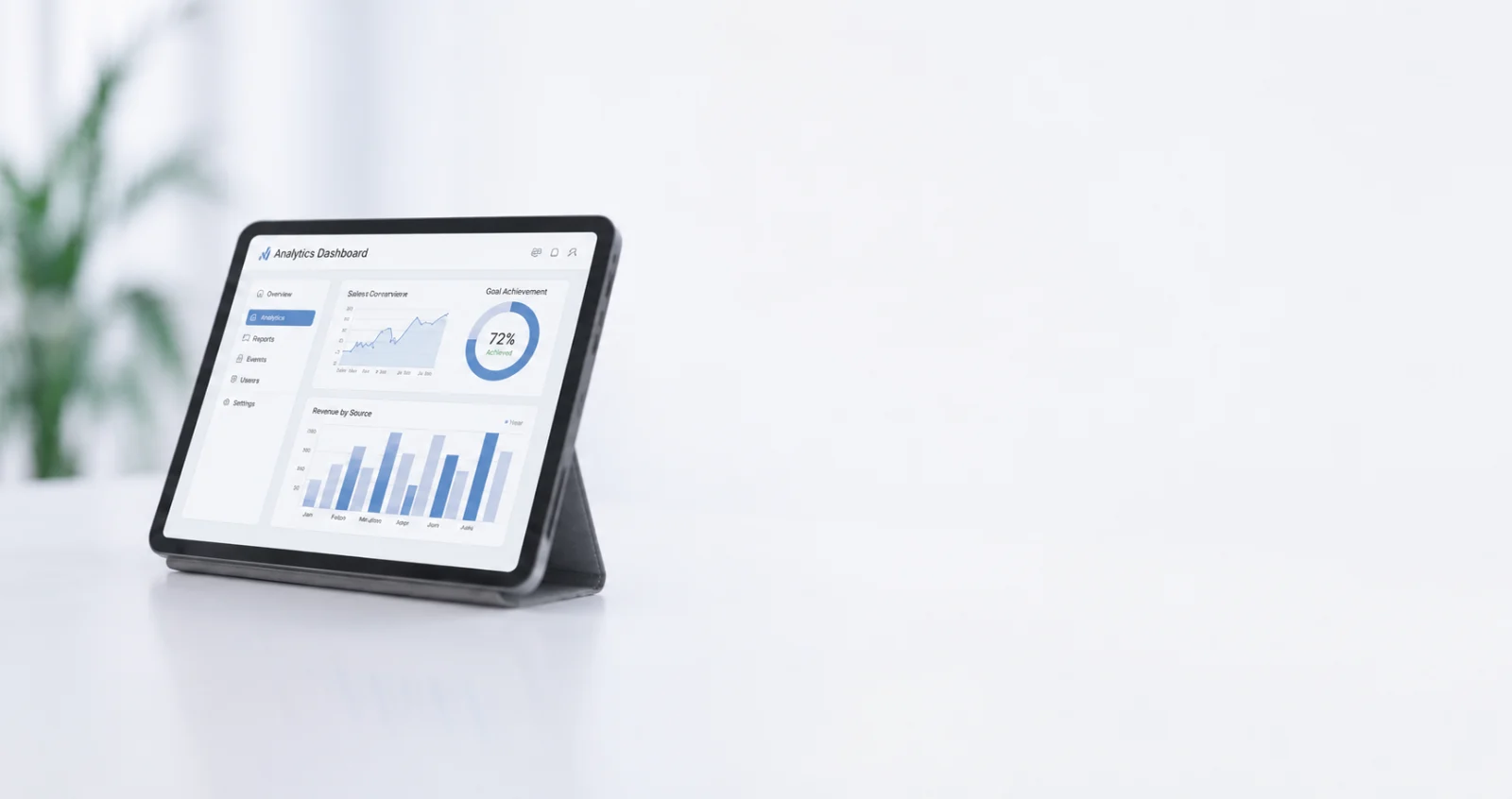
The "POS + tech" line in the table is almost the smallest line, but do not underestimate it, because it is what holds your money and produces your reports and your compliant invoices. The smart move is to keep it off your capital sheet and treat it as a monthly cost that runs alongside your sales: Loqma's cafe POS system works on a flat monthly subscription, and you can compare the plans yourself before you slot it into the budget.
Common questions
What is the smallest budget I can start a coffee shop with?
The leanest realistic start is a small kiosk or cart, and in our planning table that begins around 87,000 - it can go lower with refurbished gear and a cheap-rent spot. But watch out: the number depends on your city and location, and any figure that looks suspiciously low has usually left working capital out.
What is the cost people underestimate most?
Working capital and the first 3 months of payroll. Most owners who stumble spent everything on fit-out and equipment and forgot they still owe rent and wages for two or three months before sales settle. Set aside cash that covers your fixed costs for at least 3 months.
How much should I budget for salaries?
Budget a full 3 months of payroll as a reserve inside your capital, not one month. Example: if your coffee team costs 25,000 a month, set aside 75,000 in payroll cash to carry you until sales cover it. For a kiosk the number is much lower because the team is smaller.
When do I get my capital back?
There is no fixed number, it depends on your margin, your sales volume, and your rent. A cafe in a strong spot with a healthy margin might pay itself back in one to two years, others take longer. What matters is tracking your numbers from day one - cost per cup, daily sales, and fixed costs - so you know where you stand instead of guessing.
Is a used machine a good way to save?
It can save you a lot, as long as you buy smart: inspect the boiler and pump, ask for the service history, and make sure there is a warranty even a short one. A cheap machine with no warranty breaks down mid-rush and ends up costing more than a new one. A machine that won't quit on you at the busiest hour is worth more than whatever you'd save.
Related articles
Ready to see Loqma in action?
Book a quick demo and we'll show you how one system makes your whole day easier.